


Choosing the right cotton shirts for monsoon season makes a bigger difference than most men realise until they're stuck in a downpour wearing the wrong fabric. Synthetic blends trap moisture against the skin and hold onto odour long after the rain stops, while genuine 100% cotton handles humidity, quick drying, and repeated wear-and-wash cycles far better.
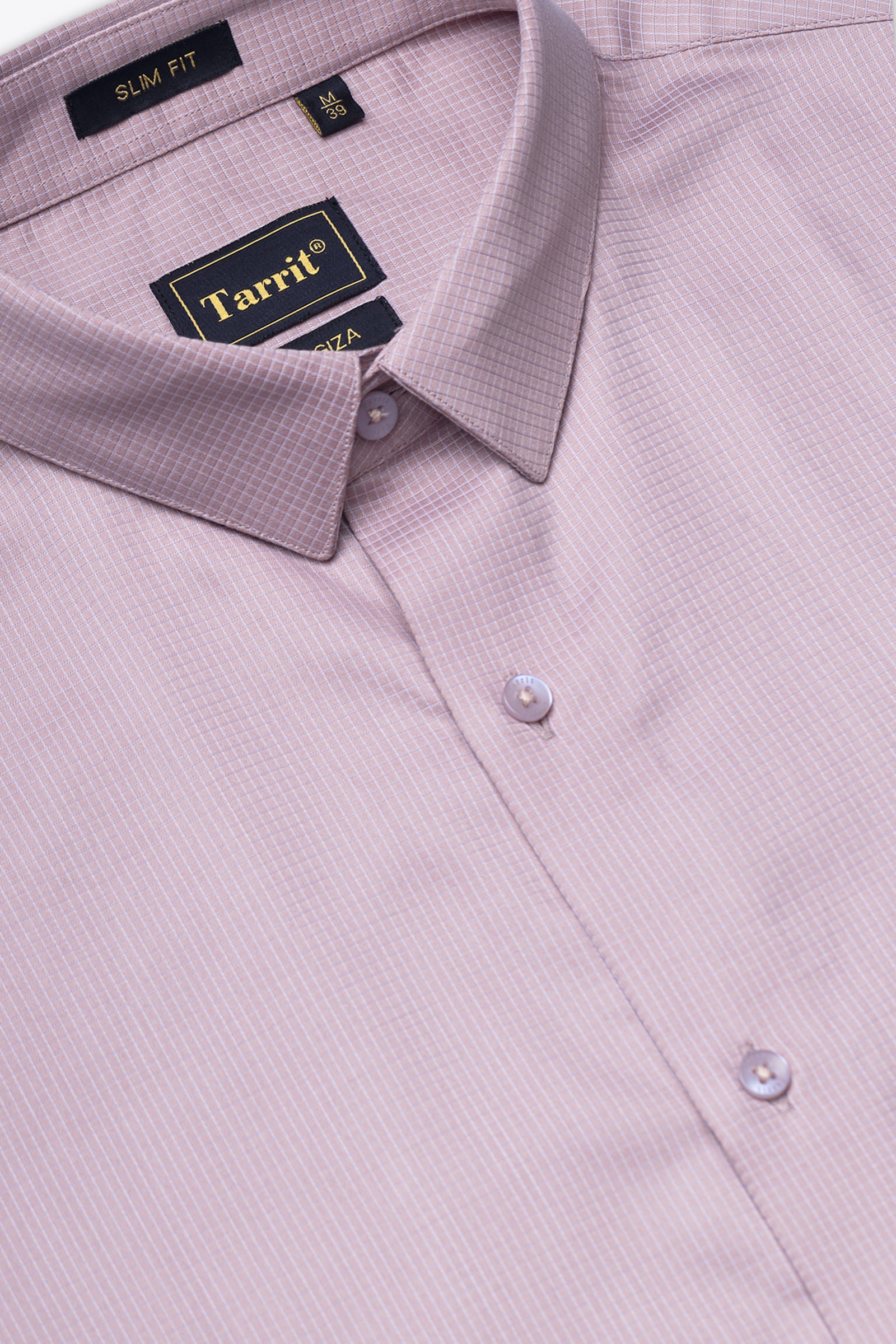
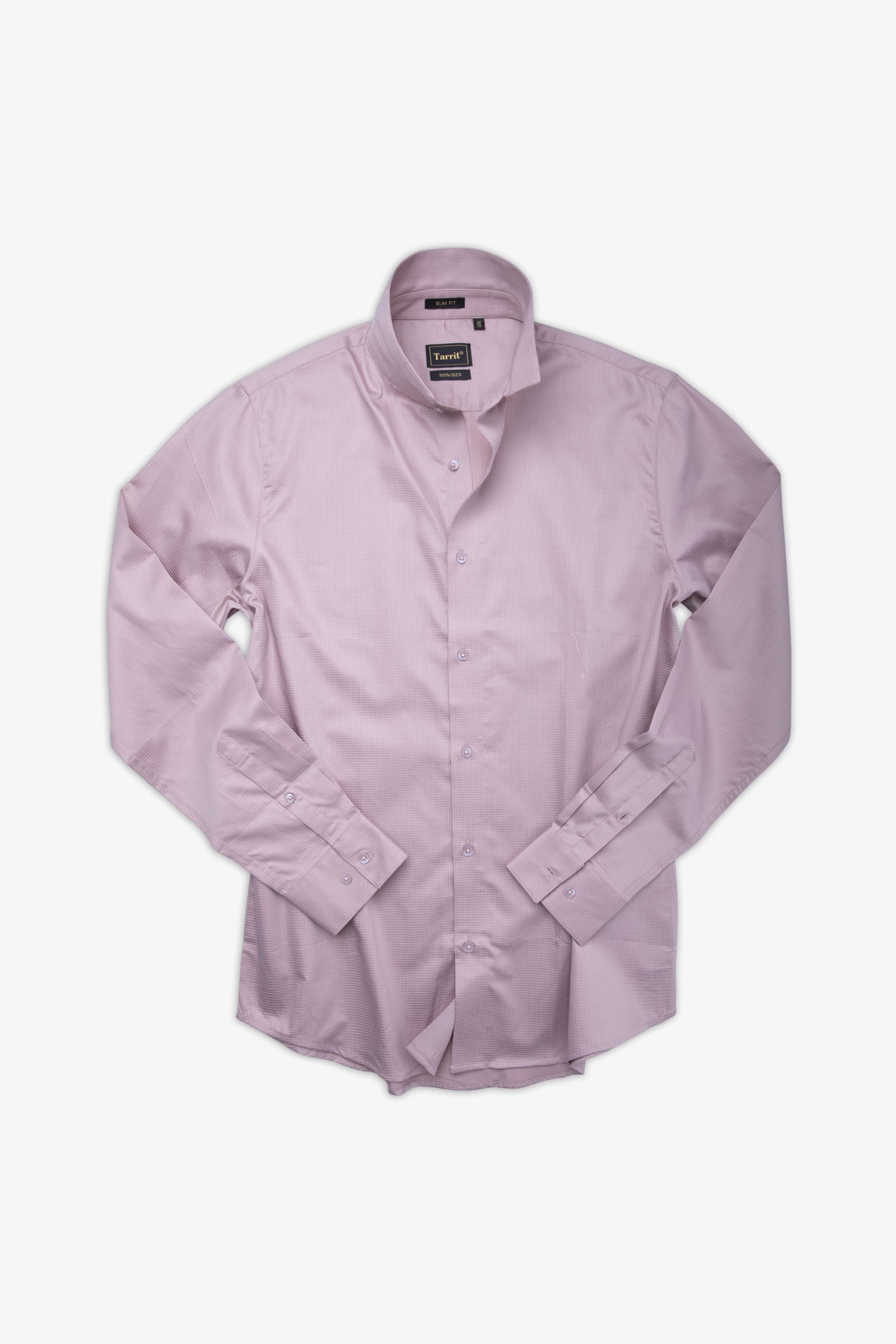
At Tarrit, the 100% Cotton collection is built for exactly this kind of practical, everyday reliability — not just for the monsoon, but especially for it. This guide covers what actually makes cotton the best fabric for rainy season shirts, how it compares to synthetic alternatives, and how to keep your shirts smelling fresh and lasting the season.
100% cotton is the best fabric choice for India's monsoon because it absorbs moisture without trapping it against the skin, dries faster than most synthetic blends once air-dried properly, and resists the musty odour that humidity causes in less breathable fabrics. It's a genuinely breathable shirt for rainy season wear, not just a fair-weather fabric.
Shop the range: [100% Cotton Collection]
Key Takeaways
- 100% cotton absorbs sweat and rain moisture without the clammy, trapped feeling synthetic blends create.
- Proper air-drying makes cotton dry reasonably fast — the fabric itself isn't the bottleneck, drying method is.
- Humidity-driven musty odour is a storage and drying issue more than a fabric flaw, and it's preventable.
- In a straight cotton vs synthetic for rainy season comparison, cotton wins on skin comfort and breathability, even if synthetics dry marginally faster on paper.
- Monsoon-specific storage habits matter as much as the fabric choice itself.
Why Cotton Handles Humidity Better Than Most Fabrics
Cotton is a natural, breathable fibre that absorbs moisture and allows it to evaporate gradually, rather than sealing it against the skin the way many synthetic weaves do. This is exactly why cotton shirts for humid weather feel noticeably more comfortable through a muggy commute than a polyester-blend shirt — the fabric works with your body's natural cooling process instead of against it.
What's Changing in How Men Dress for Monsoon in 2026
More men are moving away from treating monsoon dressing as purely defensive — dark colours, thick fabrics, minimal effort — and toward genuinely practical monsoon shirts for men in India that still look put-together. That shift is part of why interest in reliable, breathable cotton has grown: it solves the comfort problem without forcing a compromise on how the shirt actually looks.
Does Cotton Dry Fast After Rain?
This is one of the most common monsoon fabric questions, and the honest answer is: it depends on drying method more than fabric type. Cotton doesn't dry as fast as thin synthetic fabrics when both are left in a humid room, but with proper air circulation — a fan, an open window, or spreading the shirt rather than bunching it — cotton dries at a perfectly reasonable pace. The real issue with slow drying during monsoon is almost always poor airflow, not the fibre itself.
How to Prevent Musty Smell in Humid Weather
Musty odour during monsoon comes from bacteria growing in fabric that stays damp too long, not from cotton itself being prone to smell. A few habits make the biggest difference:
- Never store a slightly damp shirt in a closed wardrobe — it needs to be fully dry first.
- Use a dehumidifier or silica packets in your wardrobe during peak monsoon months.
- Wash shirts promptly after heavy wear rather than letting sweat and rain sit in the fabric.
- Air out your wardrobe on drier days to prevent trapped humidity from building up.
People Also Ask
Is cotton a good fabric choice for India's monsoon season?
Yes. Cotton's natural breathability and moisture absorption make it one of the most practical choices for humid, rain-heavy months, especially compared to heat-trapping synthetic blends.
What's the best shirt fabric for Indian monsoon specifically?
100% cotton, ideally a mid-weight weave that isn't too thin (which clings when damp) or too heavy (which takes longer to dry).
Do cotton shirts get musty faster than synthetic ones?
Not inherently — musty smell is caused by incomplete drying and storage habits, and cotton's breathability actually helps it release trapped moisture better than many synthetics.
How do I store cotton shirts during monsoon to keep them fresh?
Make sure shirts are completely dry before storing, use moisture-absorbing packets in the wardrobe, and avoid overcrowding hangers so air can circulate.
Cotton vs Synthetic for Rainy Season
| Factor | 100% Cotton | Synthetic Blends |
|---|---|---|
| Moisture Handling | Absorbs and releases moisture gradually | Traps moisture against skin |
| Breathability | High — natural fibre allows airflow | Lower — often feels clammy in humidity |
| Odour Resistance | Good, with proper drying | Prone to trapping bacterial odour |
| Drying Speed | Moderate, faster with good airflow | Often faster, but at the cost of comfort |
| Skin Comfort in Humidity | High | Lower |
How to Monsoon-Proof Your Cotton Shirt Routine
- Choose a mid-weight 100% cotton weave. Avoid overly thin fabrics that cling when damp.
- Air-dry with proper circulation. A fan or open window speeds drying more than the fabric choice itself.
- Never store a shirt that's even slightly damp. This is the single biggest cause of monsoon musty smell.
- Use moisture absorbers in your wardrobe. Silica packets or a small dehumidifier help through peak humidity months.
- Wash promptly after heavy rain exposure. Don't let a rain-soaked shirt sit before washing.
- Rotate shirts more frequently during monsoon. Humidity means fabric benefits from more airing-out time between wears.
Why 100% Cotton Earns Its Place in a Monsoon Wardrobe
1. It Manages Moisture Without Discomfort
Cotton absorbs sweat and light rain without the clammy feeling synthetic fabrics create, which matters most on humid commute days.
2. It Ages Better Through Repeated Wet-Dry Cycles
Monsoon means more frequent washing. Quality cotton holds up to this cycle better than many synthetic blends, which can degrade or pill faster under repeated washing.
3. It Works With Proper Care, Not Against It
Once drying and storage habits are right, cotton performs reliably through the wettest months without needing special treatment.
Common Monsoon Fabric Mistakes to Avoid
- Assuming all fabric issues during monsoon are the fabric's fault, when drying method is usually the real cause.
- Storing shirts in overcrowded wardrobes with no airflow during peak humidity.
- Choosing overly thin cotton weaves that cling and take longer to feel dry against the skin.
- Delaying washing after rain exposure, giving bacteria more time to set into the fabric.
What Our Styling Team Recommends
Written by the Tarrit Style Desk.
In our experience, most monsoon fabric complaints trace back to drying and storage rather than the shirt itself — customers who switch to proper air-drying and moisture-absorbing storage report far fewer odour issues, even with the exact same cotton shirts they were wearing before. Every shirt in Tarrit's 100% Cotton collection is woven for genuine breathability, which matters more during humid months than during dry winter wear.
How This Plays Out in Real Wardrobes
Customers most often ask us during monsoon why their shirts feel damp even after what seems like a full day of drying. In our experience, this almost always comes down to airflow — a shirt hung close to others in a humid room dries far slower than one spread out with a fan running, regardless of fabric type.
What Most Men Get Wrong About Monsoon Dressing
The common assumption is that synthetic, "quick-dry" fabrics are automatically the smarter monsoon choice. In practice, the comfort trade-off is significant — synthetics often trap heat and moisture against the skin even as the outer fabric feels dry, while cotton's breathability keeps the wearer more comfortable through the actual hours of a humid day.
FAQ
Does 100% cotton dry quickly after getting wet in the rain?
With proper airflow, yes — cotton dries at a reasonable pace. Poor ventilation, not the fabric, is usually what slows drying down.
Is cotton better than synthetic for India's monsoon season?
For comfort and breathability, yes. Synthetics may dry marginally faster but trap heat and moisture against the skin far more than cotton does.
How do I prevent cotton shirts from smelling musty in humid weather?
Ensure shirts are completely dry before storing, use moisture-absorbing packets, and avoid overcrowded wardrobes that block airflow.
What's the best way to store cotton shirts during monsoon?
Store only fully dry shirts, space hangers out for airflow, and use a dehumidifier or silica packets during peak humidity months.
Conclusion
When it comes to cotton shirts for monsoon season, the fabric itself is rarely the problem — drying method and storage habits do most of the work in keeping shirts fresh and comfortable through India's wettest months. Choose a mid-weight 100% cotton weave, dry it properly, and store it right, and it will outperform most synthetic alternatives in comfort and reliability.