Egyptian Cotton Shirts for Men — Is Yours Actually Egyptian? The Labelling Problem Nobody Talks About (2026) | Tarrit
News
Search for Egyptian cotton shirts for men and you will find thousands of them, at every price from a few hundred rupees to several thousand, all carrying the same two words. They cannot all be the same thing, and they are not. What almost nobody explains is why — because the problem is not simply that some sellers lie. It is that the label itself was never designed to tell you what you think it tells you.
"Egyptian cotton" describes where cotton was grown, not how good it is. Egypt produces both premium extra-long-staple varieties and ordinary shorter-staple ones, and the label makes no distinction. Add loose certification and weak enforcement, and the phrase alone tells you almost nothing about the shirt in front of you.
Want the version that is verifiable? See the Tarrit Egyptian Cotton collection — sourced from mills in full traceability programmes.
Key Takeaways
- "Egyptian cotton" is a geography claim, not a quality grade.
- Not all cotton grown in Egypt is extra-long-staple. The label covers both.
- Why are shirts labelled Egyptian cotton when they aren't — because enforcement is minimal.
- Giza varietals are the specific designation worth looking for.
- Traceability beats certification claims. Ask where the cloth came from.
What "Egyptian Cotton" Actually Describes
Here is the distinction that resolves most of the confusion: Egyptian cotton is a statement about origin. It says the cotton was grown in Egypt, principally in the Nile Delta, where the soil and climate have historically produced exceptional fibre. What it does not say — and this is the part that gets lost — is which variety.
Egypt grows several cotton varietals. Some are extra-long-staple, the genuinely premium fibre that spins into fine, strong, smooth yarn. Others are shorter-staple and entirely ordinary. Both are, factually and legally, Egyptian cotton. A shirt made from the second kind can carry the label without anyone technically lying to you, and it will still pill, thin and behave like any other mid-grade cotton. This is why premium cotton shirts for men in India get sold at wildly different prices under identical wording — the wording was never doing the work buyers assume it was.
The designation that carries more information is the varietal name. Giza, followed by a number, identifies the specific strain. That is a narrower claim, and narrower claims are harder to make loosely.
Why the Label Stopped Meaning Much
Three things converged. First, Egyptian cotton became a marketing phrase before it became a regulated one — decades of association with luxury made those two words commercially valuable long before anyone built a system to police them. Second, Egypt's cotton production has declined substantially from its historical peak, while global demand for the label has not. Industry observers have noted for years that the volume of cotton sold worldwide as Egyptian appears to exceed what Egypt plausibly produces, and there have been documented mislabelling cases in the home textiles trade significant enough to end major retail supply relationships.
Third, and most practically: enforcement is weak. Certification programmes exist and are administered by Egyptian cotton bodies, but participation is voluntary, verification varies, and in most consumer markets nobody is checking what a garment label says. So the phrase circulates freely. Anyone searching for the best Egyptian cotton shirts in India is therefore filtering a category where the primary descriptor is effectively unverified — which is an unusual position to be in when spending real money.
How to Tell If a Shirt Is Genuinely Egyptian Cotton
You cannot verify origin by touch. What you can do is read the claim properly and handle the cloth, and between them you will filter out most of what is not worth buying.
- Look for a varietal, not a country. "Egyptian cotton" is broad. "Giza cotton" is specific. The narrower the claim, the more likely someone stands behind it.
- Ask about traceability, not certification. Anyone can print a claim. Ask whether the mill participates in a traceability programme — a supply chain that can be followed backwards is the real answer to what does certified Egyptian cotton mean.
- Feel for smoothness, not softness. Long-staple fibre has fewer loose ends, so the surface reads smooth and low-fuzz. Softness alone can be produced with chemical finishing that washes out.
- Check the surface for fuzz. Hold the fabric to the light at an angle. A hairy surface means short fibres, which means pilling within months.
- Interrogate the price. Extra-long-staple cotton costs meaningfully more to grow and spin. A shirt priced like ordinary cotton is almost certainly made from it.
- Judge it after three washes, not in the shop. This is the only test that cannot be faked. Genuine long-staple cotton softens and holds; ordinary cotton thins and fuzzes.
What the Label Says vs What It Guarantees
| The claim | What it actually tells you | What it doesn't |
|---|---|---|
| "Egyptian cotton" | Grown in Egypt — if true | Which varietal. Whether it's extra-long-staple. |
| "Giza cotton" | A specific varietal family | Which Giza strain, unless numbered |
| "100% cotton" | No synthetic blend | Fibre length, origin, or grade |
| "Premium cotton" | Nothing. It is not a defined term. | Everything |
| Traceable sourcing | The supply chain can be followed | This is the claim worth having |
Questions Men Ask Before Buying
Is Egyptian cotton worth paying more for?
Is Egyptian cotton worth paying more for — genuine extra-long-staple cotton, yes, comfortably. It resists pilling, holds colour, and softens rather than thinning. But you are paying for the fibre, not the phrase, and the phrase alone does not guarantee the fibre.
Why do Egyptian cotton shirt prices vary so much?
Because the label spans several grades. A shirt made from ordinary Egyptian-grown cotton and one made from certified extra-long-staple fibre can carry identical wording. Egyptian cotton shirt price differences usually reflect that gap rather than branding alone.
Is Egyptian cotton the same as Giza cotton?
Related but not identical. Giza is a varietal designation within Egyptian cotton. All Giza is Egyptian; not all Egyptian cotton is Giza, and that is precisely where the ambiguity lives.
Can you tell by touching it?
Partly. You can feel smoothness and low fuzz, which indicate long fibre. You cannot feel geography — that requires the supply chain to be documented.
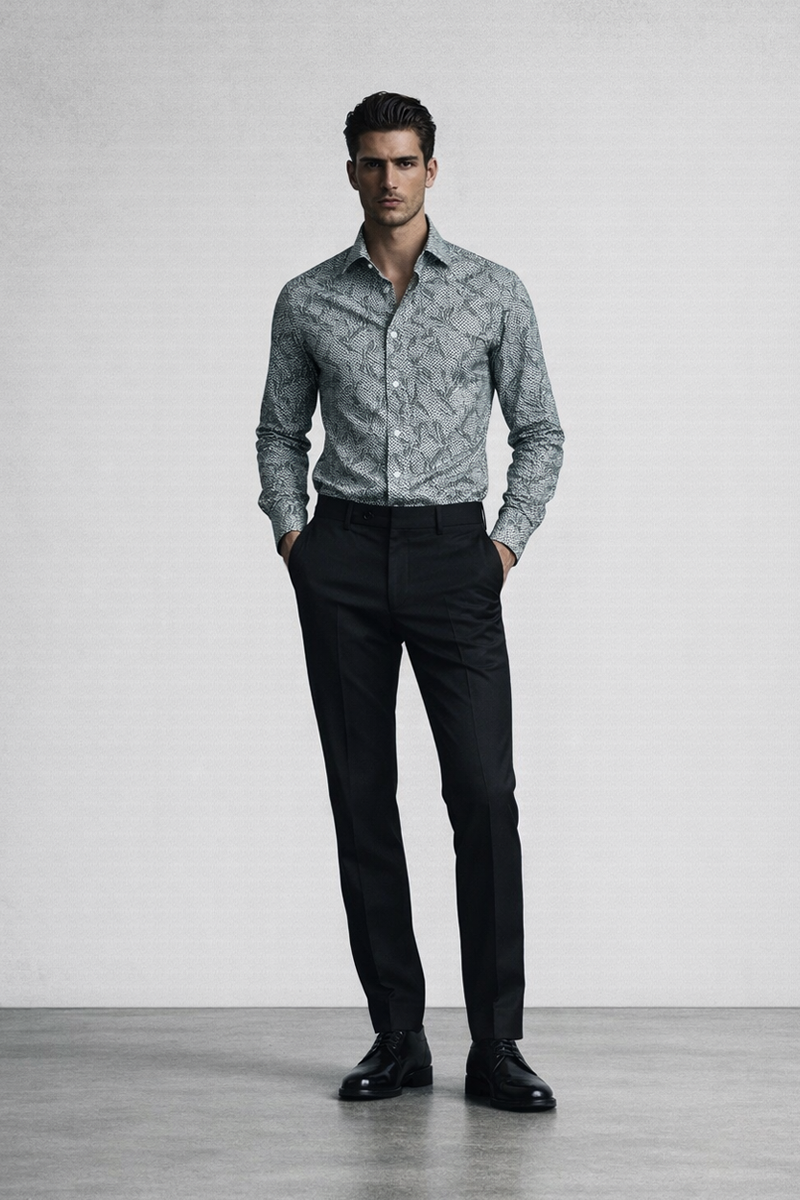
Where Buyers Get Caught Out
The most common error is treating the label as a grade rather than a location, which is what the whole marketing edifice depends on. The second is buying on softness — a shirt can be chemically finished to feel luxurious on the shelf and reveal itself as ordinary after three washes, and that finishing is cheap. The third is assuming a high price confirms authenticity; price correlates with quality more often than not, but it is a signal rather than proof, and plenty of expensive shirts carry loose claims. The fourth is trusting a certification logo without asking what stands behind it, when the meaningful question is whether the mill can trace the cotton. And the fifth, quietly the most costly, is judging in the shop rather than after a month of wear — which is the only test the label cannot survive if it was untrue.
Why We Are Specific About Sourcing
In our experience, most men have never been told any of this, and the reaction when they hear it is usually irritation rather than surprise — they suspected something was off about a category where identical wording spans a tenfold price range. What we tell customers is straightforward: the certification standards around Egyptian cotton are loose and the mislabelling is widespread, which is exactly why we source from mills that participate in full traceability programmes rather than relying on a claim printed on a label.
If it says Egyptian cotton on our collection, that is what it is. We would rather make that a verifiable statement than a marketing one. The other thing worth saying from the floor: the customers who understand this best are the ones who have owned a badly labelled shirt before, watched it pill within a season, and now ask harder questions than anyone else in the room. Written by the Tarrit styling team.
What This Looks Like Over Three Years
Consider two shirts bought the same week, both labelled Egyptian cotton, one at a third the price of the other. For the first month they are difficult to distinguish — the cheaper one has been finished to feel soft, and on a hanger it presents well. By the third month the difference is visible: the surface of the cheaper shirt has begun to fuzz where it rubs, at the collar and under the arms, because short fibres work loose. By the end of the year it has thinned and the colour has gone flat.
The other shirt has softened without losing structure, which is what long-staple fibre does — it relaxes rather than breaking down. Three years on, one shirt is still in rotation and the other was quietly retired long ago. Both were labelled the same thing. Only one was made from what the label implied.
The Question Worth Asking Instead
The useful shift is to stop asking whether a shirt is Egyptian cotton and start asking whether anyone can tell you where the cloth came from. Origin claims are cheap to print and hard to verify; traceability is expensive to maintain and easy to check, which is exactly why it is the more meaningful signal. A brand that can name its mills and point to a traceability programme is making a claim it can be held to. A brand that can only repeat the phrase is not. The second thing worth internalising is that fibre length does the work you are actually paying for — smoothness, pilling resistance, colour retention and the way cloth softens instead of thinning all trace back to staple length. Everything else in the marketing is downstream of that one property.
Buying Egyptian Cotton Shirts at Tarrit
The Tarrit Egyptian Cotton collection runs 34 shirts in sizes 38 to 44, sourced from mills that participate in full traceability programmes — which is the standard we hold ourselves to rather than a phrase on a label. If you want to judge the cloth for yourself, The Purist White Shirt is the most honest test, because white hides nothing about surface or weave. The Distinguished Shirt and The Legacy Shirt show the same fabric in daily-wear form. And if you are wondering where to buy authentic Egyptian cotton shirts online in India, the useful advice applies to anyone, us included: ask what stands behind the claim, and buy from whoever can answer.
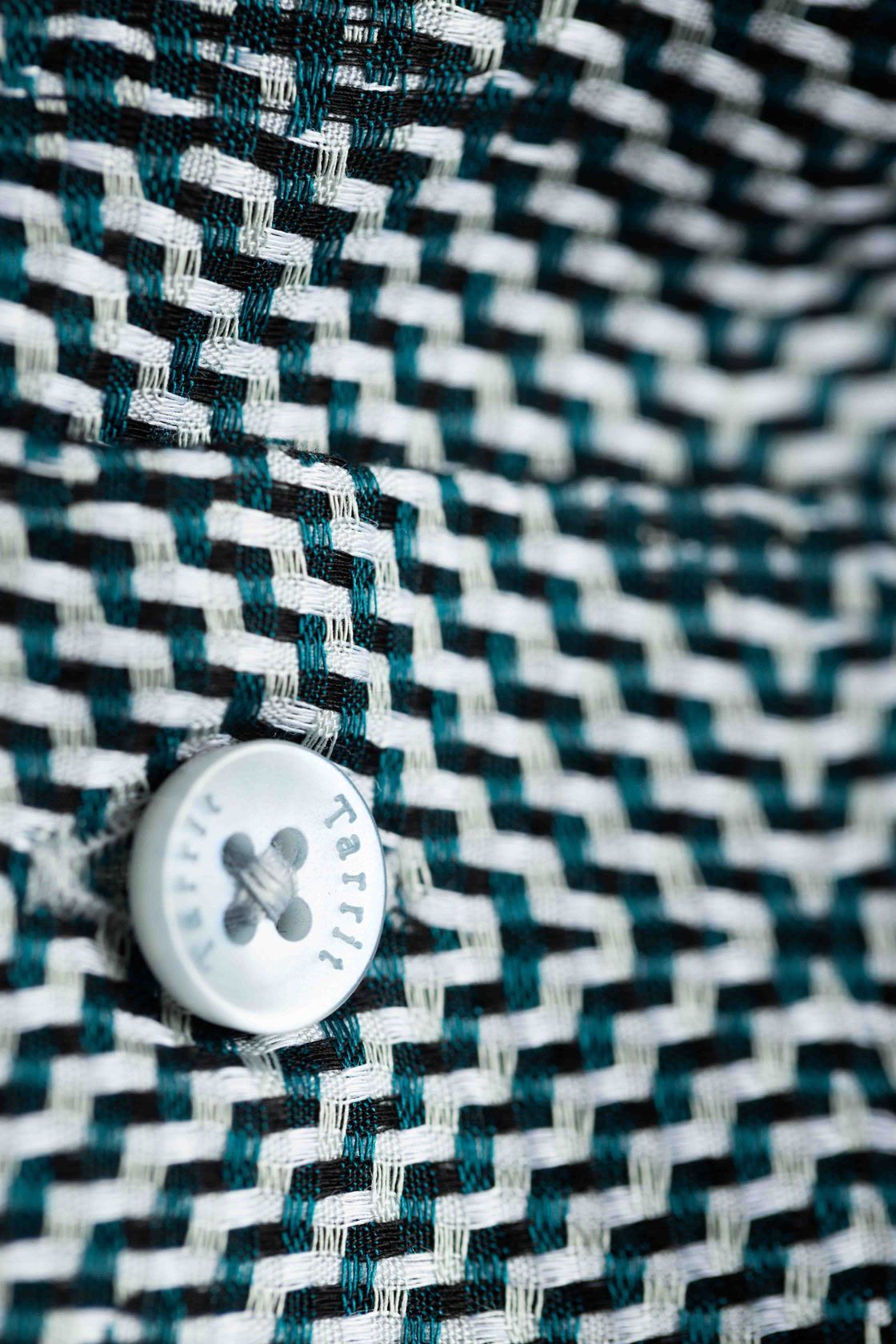
Frequently Asked Questions
Why are so many shirts labelled Egyptian cotton when they aren't?
Because "Egyptian cotton" describes origin rather than quality, certification is voluntary, and enforcement in consumer markets is minimal. A shirt can carry the label loosely — or carry it accurately while being made from ordinary short-staple Egyptian cotton.
What does certified Egyptian cotton mean?
It usually means a supplier has participated in a certification programme run by Egyptian cotton bodies. The more meaningful question is traceability — whether the mill can document where the cotton actually came from.
How can you tell if a shirt is genuinely Egyptian cotton?
You cannot verify origin by hand. Look for a specific varietal claim like Giza rather than a country, ask about traceable sourcing, check the fabric for a smooth low-fuzz surface, and judge it after several washes rather than in the shop.
Is Egyptian cotton the same as Giza cotton?
Not quite. Giza is a varietal designation within Egyptian cotton. All Giza cotton is Egyptian, but not all Egyptian cotton is Giza — and the premium properties belong to the extra-long-staple varieties.
Is Egyptian cotton worth paying more for?
Genuine extra-long-staple cotton is, because it resists pilling, holds colour and softens with wear rather than thinning. You are paying for fibre length, which the label alone does not guarantee.
Why do Egyptian cotton shirt prices vary so much?
Because the same label covers several grades of cotton. Price differences usually reflect fibre quality and sourcing rigour rather than branding alone.
Read the Claim, Not the Word
Buying Egyptian cotton shirts for men is easy. Buying one made from what the phrase implies takes one extra question: where did the cloth come from, and can anyone show you? Origin claims are cheap. Traceability is not, which is exactly what makes it worth asking about. Explore the Tarrit Egyptian Cotton collection and ask us the question — we would rather answer it than avoid it.