


If your skin reacts to fabric — itching after a few hours, redness at the collar, a rash where a seam sits — the shirt matters as much as anything you put on your skin. That's why so many men ask whether Egyptian cotton is a genuinely better pick for sensitive skin, or just a premium label. The honest answer: for most men prone to irritation, a pure Egyptian cotton shirt is one of the gentler things you can wear, and there's a real fibre-level reason why.
Yes — Egyptian cotton is usually a good choice for sensitive or allergy-prone skin. It's a pure natural fibre with a long, smooth staple that weaves into a soft, low-friction fabric, so there's less rubbing and less trapped heat and sweat against the skin. It also skips the synthetics and rough short fibres that commonly trigger irritation in cheaper shirts.
Want the gentlest option to start with? See the soft, pure-cotton solids in the Tarrit Egyptian Cotton collection.
Key Takeaways
- Egyptian cotton for sensitive skin works because it's a pure, long-staple natural fibre — smoother and softer against the skin than short-staple or blended cotton.
- A smoother surface means less friction, and better breathability means less trapped sweat — two of the most common causes of fabric irritation.
- Being 100% cotton, it avoids the polyester and synthetic blends that many allergy-prone men react to.
- Fabric is only part of the picture — fit, washing, and detergent matter too.
- If you have a diagnosed skin condition, treat this as a gentler fabric choice, not a medical fix.
Why Fabric Irritates Skin in the First Place
Skin reacts to a shirt for three main reasons: friction, trapped moisture, and the material itself. Friction comes from a rough or coarse surface rubbing against the skin all day. Trapped moisture happens when a fabric doesn't breathe, so sweat sits against the skin and softens it until it's easily irritated. And the material itself matters — synthetic fibres and some dyes or finishes are common triggers for men whose skin is already reactive.
Understanding those three causes is the whole key to picking a shirt. A good fabric for allergy-prone skin tackles all three at once: it's smooth so it doesn't rub, breathable so sweat doesn't build up, and pure so there are fewer irritants in contact with you. That's a high bar — and it's exactly where Egyptian cotton does well.
What Makes Egyptian Cotton Gentler on the Skin
Egyptian cotton is an extra-long-staple fibre, often 33–45 mm long against the 22–28 mm of ordinary cotton. Those longer fibres spin into a finer, smoother yarn with fewer loose ends poking out of the surface. Fewer stray fibre ends means a smoother cloth — and a smoother cloth means less of the micro-friction that leaves sensitive skin red and itchy by evening.
The same fineness makes the fabric more breathable, so sweat evaporates instead of sitting against the skin. And because a quality Egyptian cotton shirt is pure cotton rather than a poly-blend, there's no synthetic fibre rubbing or holding heat against you. Put together, that's why the fabric is often described as naturally hypoallergenic — not because it's treated, but because a smooth, breathable, pure fibre simply gives reactive skin far less to react to.
Egyptian Cotton vs the Fabrics That Usually Cause Trouble
The shirts that tend to irritate sensitive skin are the cheap ones: short-staple cotton with a rougher surface, or cotton-polyester blends that trap heat and hold sweat. Polyester in particular doesn't breathe well, so moisture builds up — and warm, damp skin under friction is the classic recipe for a rash or itch.
Egyptian cotton sits at the opposite end. It's smoother than short-staple cotton, more breathable than a blend, and free of the synthetics that trigger many men. For someone who's spent years assuming "all shirts itch," switching to a genuine long-staple cotton is often the moment that assumption breaks. It's less about luxury and more about removing the things that were causing the reaction in the first place.
People Also Ask
Is Egyptian cotton hypoallergenic?
Egyptian cotton is naturally low-irritant because it's a pure, smooth, breathable fibre with no synthetics. While no fabric is guaranteed allergen-free, it's one of the gentler choices for reactive skin.
Is Egyptian cotton good for eczema-prone skin?
Many people with eczema-prone skin prefer soft, breathable natural fibres like Egyptian cotton because they reduce friction and trapped sweat. If you have a diagnosed condition, treat it as a gentler fabric choice and follow your doctor's advice.
Which is better for sensitive skin, Egyptian cotton or a cotton blend?
Pure Egyptian cotton is usually better. Blends contain synthetic fibres that trap heat and can irritate reactive skin, whereas 100% Egyptian cotton stays smooth and breathable.
Can a shirt fabric really cause skin irritation?
Yes. Rough surfaces cause friction, non-breathable fabrics trap sweat, and synthetic fibres or finishes can trigger reactions — all common causes of shirt-related irritation.
What Sensitive Skin Actually Gains From It
| What irritates skin | Egyptian Cotton | Cheap / Blended Shirt |
|---|---|---|
| Surface friction | Smooth long fibres, less rubbing | Rougher surface, more rubbing |
| Trapped sweat | Breathable, dries quickly | Holds heat and moisture |
| Synthetic fibres | None — 100% cotton | Often polyester-blended |
| Softness against skin | Soft, gets softer with washing | Stiffer, can stay scratchy |
Where Men Go Wrong Buying for Reactive Skin
The most common mistake is buying by softness in the shop and ignoring what the shirt is made of. A blended shirt can feel soft new and still trap heat and irritate once you've sweated into it. For sensitive skin, the label that matters is pure cotton — ideally a genuine long-staple one — not just "feels nice on the rack."
The second mistake is fit. A shirt pulled tight against the skin rubs constantly, no matter how good the fabric is; a little room lets it breathe and move without friction. And the third is washing: a gentle fabric can still irritate if it's washed in a harsh detergent. Rinse well, skip heavy fragrances and fabric softeners, and let a good cotton shirt stay as low-irritant as it's meant to be.
What We Tell Customers With Skin Concerns
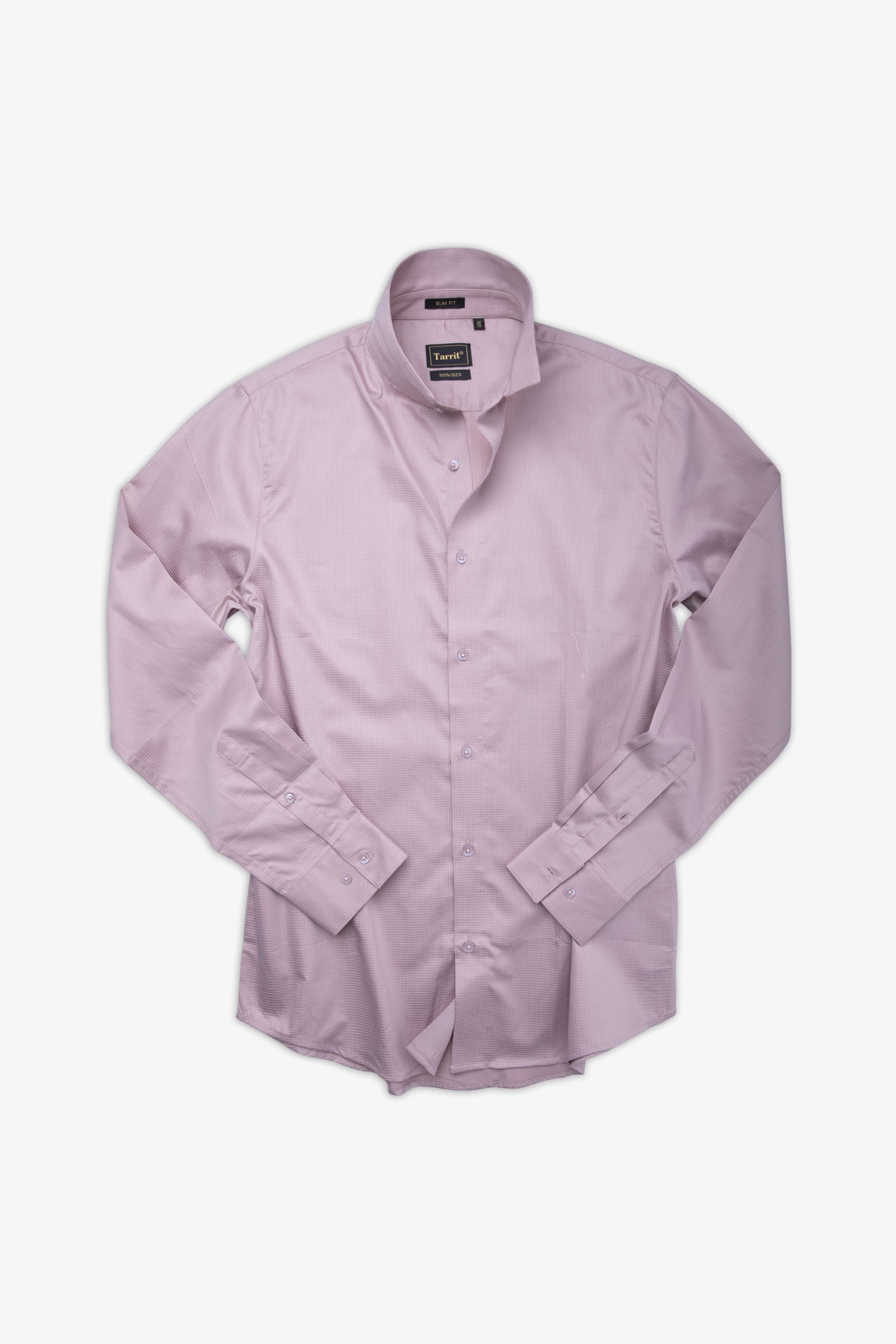
When a customer tells us their skin reacts to shirts, we ask two things before anything else: what the last shirt was made of, and how tight it sat. In our experience, the culprit is almost always a blend, a rough fabric, or a fit pressed flat against the skin — rarely the idea of "shirts" in general. We steer them to a pure Egyptian cotton in a fit with a little air in it, and suggest a gentle wash routine. It's not a medical claim; it's removing the usual triggers. Written by the Tarrit styling team.
A Real Day for Someone Whose Skin Reacts
Picture the man who's spent years peeling off a shirt at the collar and cuffs where it's rubbed him raw. In a soft, breathable Egyptian cotton, the day looks different: the collar sits smooth instead of scratching, the fabric breathes so there's no damp, itchy patch on the back by afternoon, and there's no synthetic layer holding heat against the skin. Customers most often tell us the same thing — it's the first shirt in a long time they simply forgot they were wearing. That "forgetting" is exactly what a good fabric should do for sensitive skin.
The Detail Most People Overlook
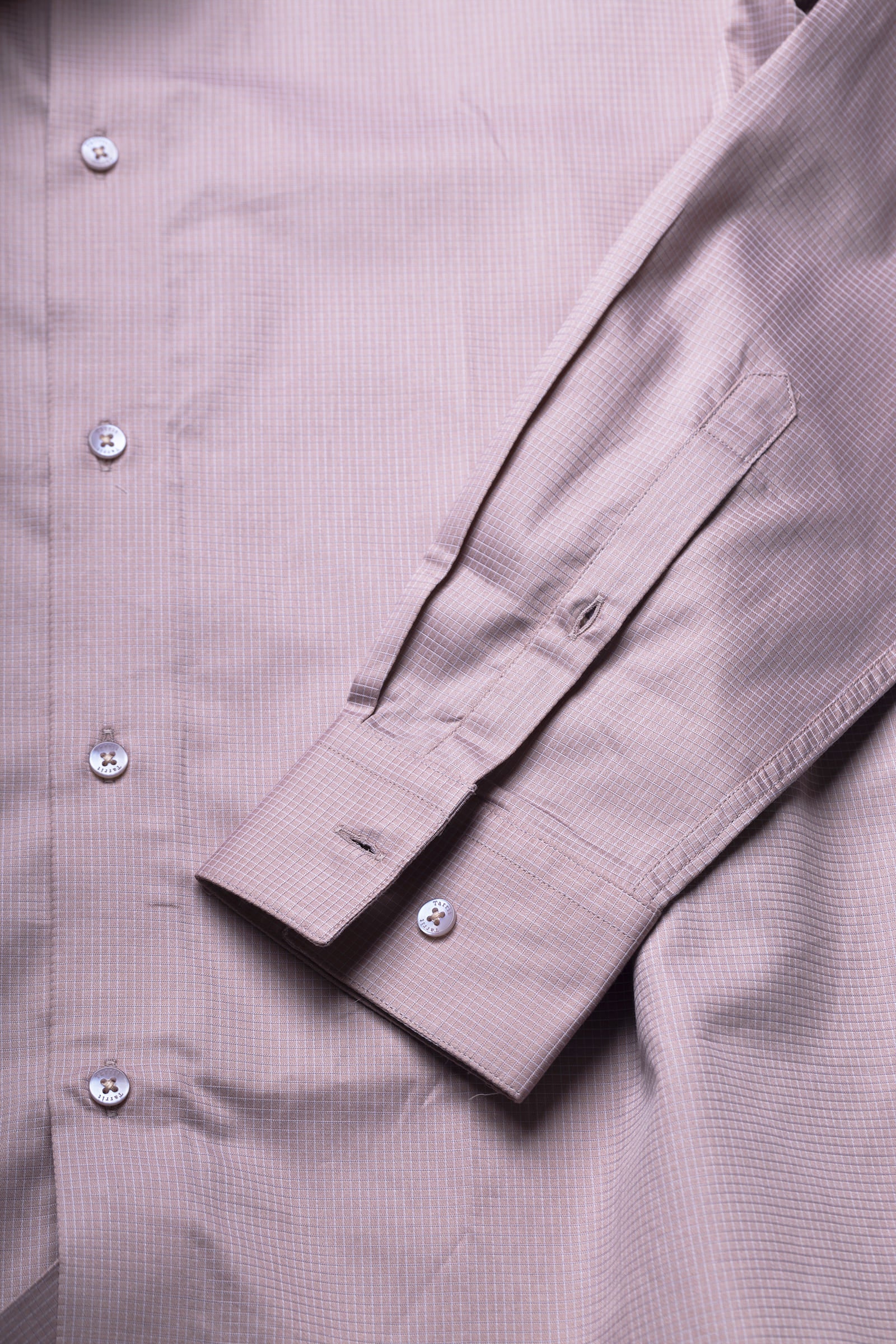
Everyone focuses on the main body of the fabric and forgets the contact points — collar, cuffs, and seams. That's where reactive skin flares first, because that's where a shirt rubs hardest. A smooth long-staple cotton and a fit that doesn't pull tight at those points does more for comfort than any "soft" marketing line. When you're choosing for sensitive skin, judge the shirt by how the collar and cuffs feel after a few hours, not by how the front feels for ten seconds in the shop.
The Softest Tarrit Shirts to Start With
If your skin reacts easily, begin with a plain, pure Egyptian cotton solid you can wear open and relaxed. The Purist White is the natural first pick — soft, breathable, and endlessly wearable. For gentle everyday options, The Meridian, The Covenant and The Visionary at ₹2,999 are cut in the same smooth, pure Egyptian cotton, while The Founder in pearl grey makes an easy, low-contrast daily shirt. Browse the full Tarrit Egyptian Cotton collection and choose the softest solid for your skin.
Frequently Asked Questions
Is Egyptian cotton good for sensitive skin?
Yes, for most men. It's a pure, smooth, breathable natural fibre that reduces friction and trapped sweat — two of the main causes of fabric irritation — and contains no synthetics.
Is Egyptian cotton better than regular cotton for allergy-prone skin?
Generally, yes. Its longer, smoother fibres make a softer, lower-friction cloth than short-staple regular cotton, so there's less rubbing against reactive skin.
Does Egyptian cotton contain any synthetic material?
A genuine Egyptian cotton shirt is 100% cotton with no synthetic fibres, which is part of why it suits men who react to polyester blends.
Will Egyptian cotton stop my skin from itching?
It removes common triggers — friction, trapped sweat, and synthetics — so many men find far less irritation. It isn't a medical treatment, so for a diagnosed skin condition, follow your doctor's guidance alongside a gentler fabric.
How should I wash an Egyptian cotton shirt for sensitive skin?
Use a gentle, low-fragrance detergent, rinse thoroughly, and skip heavy fabric softeners. This keeps the fabric as low-irritant as possible and actually leaves pure cotton softer over time.
The Short Version
For men with sensitive or allergy-prone skin, Egyptian cotton is one of the smarter shirt choices you can make — not by marketing, but by fibre. A pure, long-staple cotton is smoother, more breathable, and free of the synthetics that usually cause the trouble, so it rubs less, traps less sweat, and gives reactive skin far less to react to. Pair it with a fit that has a little room and a gentle wash routine, and you've removed most of the reasons a shirt irritates skin in the first place.