


By 2 p.m. in an Indian summer, a shirt has already told you the truth about its fabric. Some cling, trap heat, and go damp at the back; others stay light and off the skin. So the real question — is Egyptian cotton cooler than regular cotton — isn't about a label, it's about which shirt you can wear through a full, sticky day without thinking about it. The short version: yes, and there's a clear physical reason why.
Yes — Egyptian cotton generally runs cooler than regular cotton. Its extra-long fibres spin into finer, lighter yarn that weaves into a more breathable, open fabric, so air moves through it and sweat dries faster. Regular cotton is denser and coarser at the same weight, so it holds heat and clings once you start to sweat.
Dressing for the heat right now? See the lightest shirts in the Tarrit Egyptian Cotton collection.
Key Takeaways
- Egyptian cotton for Indian summer works because finer, longer fibres make a lighter, more breathable cloth — not because of any coating or treatment.
- Better airflow plus faster moisture-wicking keeps the fabric off your skin, which is what actually makes a shirt feel cool.
- Regular cotton can feel heavy and stick to the body as the day heats up, especially once you've sweated into it.
- Weave and colour matter too — a lighter weave in a pale shade is the coolest combination.
- For real heat, choose a light-bodied solid you can wear open-collar and keep crisp from morning to night.
Why a Shirt Feels Hot in the First Place
Heat comfort isn't really about temperature — it's about airflow and moisture. A shirt feels hot when it traps warm air against your skin and holds sweat instead of releasing it. Two things decide that: how open the weave is (can air pass through?) and how well the fibre moves moisture away from the body (does sweat evaporate, or sit there?).
This is why two cotton shirts of the same colour can feel completely different in the sun. The one that breathes and dries keeps you comfortable; the one that's dense and slow to dry turns clammy. So when we ask whether Egyptian cotton keeps you cool, we're really asking whether its fabric handles airflow and sweat better than ordinary cotton — and it does, for reasons built into the fibre itself.
What Makes Egyptian Cotton Run Cooler
Egyptian cotton is an extra-long-staple fibre, often 33–45 mm long, against the 22–28 mm of regular cotton. That longer fibre spins into a finer, smoother, stronger yarn — and a finer yarn lets a mill weave a lighter fabric that's still durable. Lighter, finer cloth has more space between the threads for air to pass through, and less mass to hold onto heat.
The same fineness helps with sweat. A smooth, even surface wicks moisture across the fabric so it evaporates faster, instead of pooling in one damp patch. Put together, that's the whole mechanism behind egyptian cotton breathability: more airflow, faster drying, less cling. It's not a finish that washes out — it's the fibre doing the work, which is why the cooling holds up over years of wear.
How It Holds Up Through a Bengaluru Afternoon
The test that matters is a long, warm, upright day. In our experience fitting shirts for men who are out and about — commutes, meetings, site visits — the complaint about ordinary cotton is always the same: it feels fine at 9 a.m. and heavy by lunch. A good egyptian cotton shirt for hot weather flattens that curve. It stays light, dries between the walk and the desk, and doesn't turn into a second skin when the humidity climbs.
That's exactly why lighter-bodied solids do so well in this climate. Shirts like The Meridian, The Covenant and The Visionary — each ₹2,999 — are cut in a breathable Egyptian cloth meant for long hours in the heat, not just for a cool showroom.
Where Regular Cotton Loses the Heat Battle
Regular cotton isn't bad in heat — plain cotton beats polyester any day. But at the same fabric weight, its shorter, coarser fibres make a denser weave with less airflow, so it holds warm air closer to the body. It also absorbs and releases moisture more slowly, which is why a regular cotton shirt often feels damp and sticks between the shoulder blades on a hot afternoon.
The gap widens as the day goes on. Egyptian cotton keeps releasing heat and moisture; regular cotton falls behind and starts to feel like it's working against you. For one hour indoors, you may not notice. For a full day in real Indian weather, you will.
People Also Ask
Is Egyptian cotton good for summer?
Yes. Its light, breathable weave and quick-drying fibre make it one of the better natural fabrics for hot, humid weather — it stays off the skin and doesn't trap heat the way denser cottons do.
Does Egyptian cotton keep you cool all day?
It holds up far better across a long day than regular cotton, because the cooling comes from the fibre and weave, not a temporary finish. Airflow and faster sweat evaporation keep it comfortable from morning into evening.
Which is cooler, Egyptian cotton or linen?
Linen is slightly more breathable but creases heavily and looks casual. Egyptian cotton is nearly as cool while staying smooth and presentable — the better pick for office or formal wear in summer.
Does colour affect how cool a cotton shirt feels?
Yes. Lighter shades reflect more heat, so a white or pale Egyptian cotton shirt will feel cooler in direct sun than a dark one in the same fabric.
What Actually Keeps You Cool, Side by Side
| Cooling factor | Egyptian Cotton | Regular Cotton |
|---|---|---|
| Weave & airflow | Lighter, more open — air passes through | Denser at same weight — traps warm air |
| Sweat handling | Wicks and dries fast, stays off skin | Absorbs slowly, clings when damp |
| Feel by mid-afternoon | Still light and dry | Heavier, sticky in humidity |
| Best colour for heat | White / pastel reflects sun | Same rule, but starts hotter |
Where Men Go Wrong Choosing a Summer Shirt
The most common mistake is buying by look alone and ignoring fabric weight. A heavy, stiff cotton shirt can photograph beautifully and still cook you by noon. For heat, the number that matters is a lighter cloth in a genuine long-staple fibre — that's the combination that breathes.
The second mistake is going too tight. Even the coolest fabric can't breathe if it's pressed flat against your skin with no air gap. A shirt with a little room lets the fabric do its job. And the third: assuming any shirt labelled "cotton" performs the same in summer — it doesn't, and the difference between short-staple and Egyptian cotton is most obvious on exactly the hottest days.
What We Tell Customers Buying for the Heat
When someone asks us for a summer shirt, we point them to two things before colour or cut: a light Egyptian cotton, and a fit with a bit of air in it. In our experience, that pairing solves the mid-afternoon slump better than any single feature on a tag. We also tell them the honest test — wear it on your hottest, longest day, not in the shop. If it still feels light by evening, it's the right fabric. Written by the Tarrit styling team.
A Real Hot Day, Hour by Hour
Morning commute in the sun: a light Egyptian cotton shirt breathes on the walk instead of turning into a sweat trap. Midday, moving between meetings: it dries between stops, so you never sit down damp. Late afternoon, when regular cotton usually gives up and clings: it's still sitting lightly on the shoulders. Evening, straight into a dinner: it looks crisp enough to keep on. That single-shirt-through-a-whole-day comfort is the entire point of choosing the right cotton for summer — and it's what customers most often tell us they notice first.
The Detail Most People Miss
Everyone focuses on the fabric and forgets the collar and cut. A shirt you can wear open-collar, with a slightly relaxed body, dramatically changes how cool it feels — because it lets the breathable Egyptian cloth actually ventilate instead of sealing heat in. Fabric and fit work together. The best summer setup isn't just the right cotton; it's the right cotton in a shirt built to let air move.
The Best Tarrit Shirts for Indian Summer
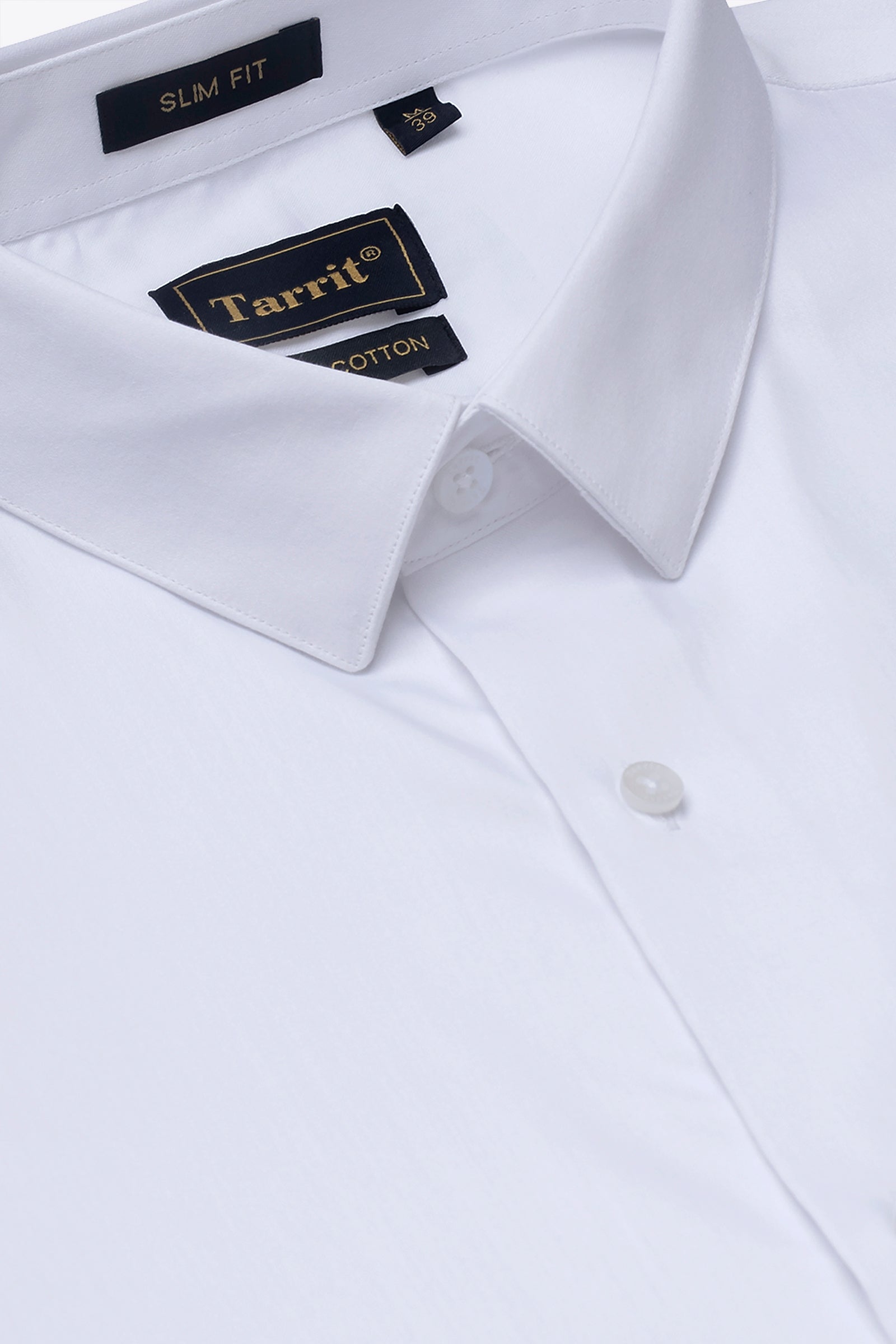
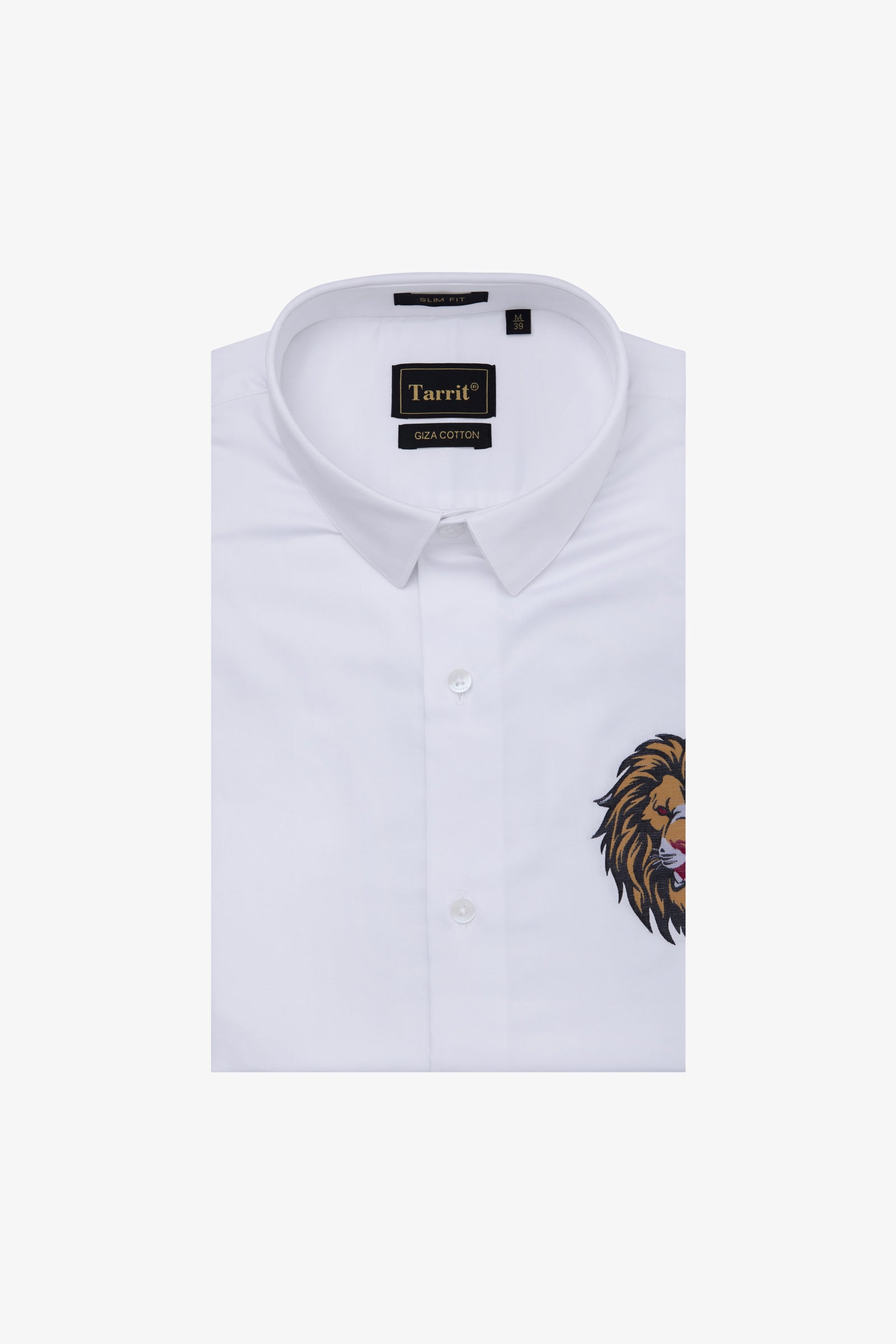
For the hottest months, start with a light, pale solid you can wear all day. The Purist White is the coolest choice — pale, breathable, and endlessly wearable. For everyday heat on a friendlier budget, The Meridian, The Covenant or The Visionary at ₹2,999 are cut in exactly the kind of light Egyptian cotton that survives an Indian afternoon. Browse the full Tarrit Egyptian Cotton collection and pick the shade that suits your summer.
Frequently Asked Questions
Is Egyptian cotton cooler than regular cotton?
Yes. Its finer, longer fibres make a lighter, more breathable fabric that lets air pass through and dries sweat faster, so it stays cooler and off the skin longer than regular cotton.
Is Egyptian cotton good for humid weather?
It's well suited to humidity because it wicks and releases moisture quickly, so it feels less clammy than denser cottons when the air is heavy.
What is the coolest cotton shirt for Indian summer?
A light-weight Egyptian cotton shirt in a pale colour, worn with a little room, is among the coolest options that still looks smart enough for work.
Will an Egyptian cotton shirt still keep me cool after many washes?
Yes. The cooling comes from the fibre and weave rather than a finish, so it doesn't wash out — the shirt breathes just as well years later.
Does Egyptian cotton feel cooler than a cotton blend?
Usually, yes. Pure Egyptian cotton breathes better than most polyester-cotton blends, which trap heat and hold sweat against the skin.
The Short Version
For an Indian summer, Egyptian cotton is genuinely cooler than regular cotton — not by marketing, but by physics. Longer, finer fibres make a lighter, more breathable cloth that moves air and dries sweat, so it stays comfortable across a full day while ordinary cotton grows heavy and clings. Pair it with a pale colour and a fit with a little room, and you have the coolest shirt you can wear to work.
Find your lightest option in the Tarrit Egyptian Cotton collection — breathable shirts built for real heat, from ₹2,999.