


Stand in front of two shirts — one everyday cotton at a familiar price, one Egyptian cotton at noticeably more — and the question is simple: what does the extra money actually buy? So when men ask is Egyptian cotton worth it, they're not asking about thread counts, they're asking whether a pricier shirt earns its place. The honest answer: for a shirt you'll wear often and keep for years, yes — the value shows up over time, not on the price tag.
Yes — Egyptian cotton is usually worth paying extra for if you'll wear the shirt regularly. Its longer, stronger fibres last longer, feel softer, breathe better, and hold their shape wash after wash, so the cost-per-wear often works out lower than a cheap shirt you replace every year. For a rarely-worn shirt, the premium matters less.
Weighing it up? See what the extra buys in the Tarrit Egyptian Cotton collection, from ₹2,999.
Key Takeaways
- Egyptian cotton value comes from durability and cost-per-wear, not the sticker price — a shirt that lasts years can cost less per wear than a cheap one replaced yearly.
- The extra pays for a softer feel, better breathability, and a shirt that holds its shape and colour through many washes.
- It's most worth it for daily-driver shirts you wear and wash often, and for pieces where feel and finish matter.
- It's least worth it for a shirt you'll wear a handful of times a year.
- Buy fewer, better shirts and the maths — and the wardrobe — usually works in your favour.
What You're Actually Paying For
The price gap between everyday and Egyptian cotton isn't a brand tax — it's the fibre. Egyptian cotton is an extra-long-staple cotton, harder to grow and costlier to spin than the short-staple cotton in most budget shirts. That longer fibre is what delivers the softness, the strength, the breathability, and the shape retention. You're paying for raw material and construction that a cheap shirt simply doesn't have.
That's the honest frame for is Egyptian cotton worth it: you're not paying extra for a logo, you're paying for a fibre that performs and lasts. Whether that's "worth it" depends entirely on how much you'll use the shirt — which is exactly the right way to judge any clothing purchase, premium or not.
The Real Test Is Cost-Per-Wear, Not Price
Price is what you pay once; cost-per-wear is what the shirt actually costs you. A cheap cotton shirt that fades, thins, and loses shape within a year gets worn a limited number of times before it's demoted or binned. A good Egyptian cotton shirt worn weekly for several years spreads its price across hundreds of wears — and often lands at a lower cost-per-wear than the "cheaper" option.
This is the heart of egyptian cotton value. In our experience, the men who feel a premium shirt was expensive are usually the ones who wore it twice; the men who feel it was a bargain are the ones who reach for it every week. The fibre earns its keep through frequency and longevity, so the more you wear it, the more sense the extra makes.
Where the Extra Genuinely Pays Off
Everyday value shows up in the parts of a shirt you notice daily. A quality Egyptian cotton stays soft instead of going scratchy, keeps breathing so you stay comfortable through long days, and holds its colour and shape through repeated washing rather than fading and sagging. Over a year of regular wear, that's the difference between a shirt you still like and one you're quietly replacing.
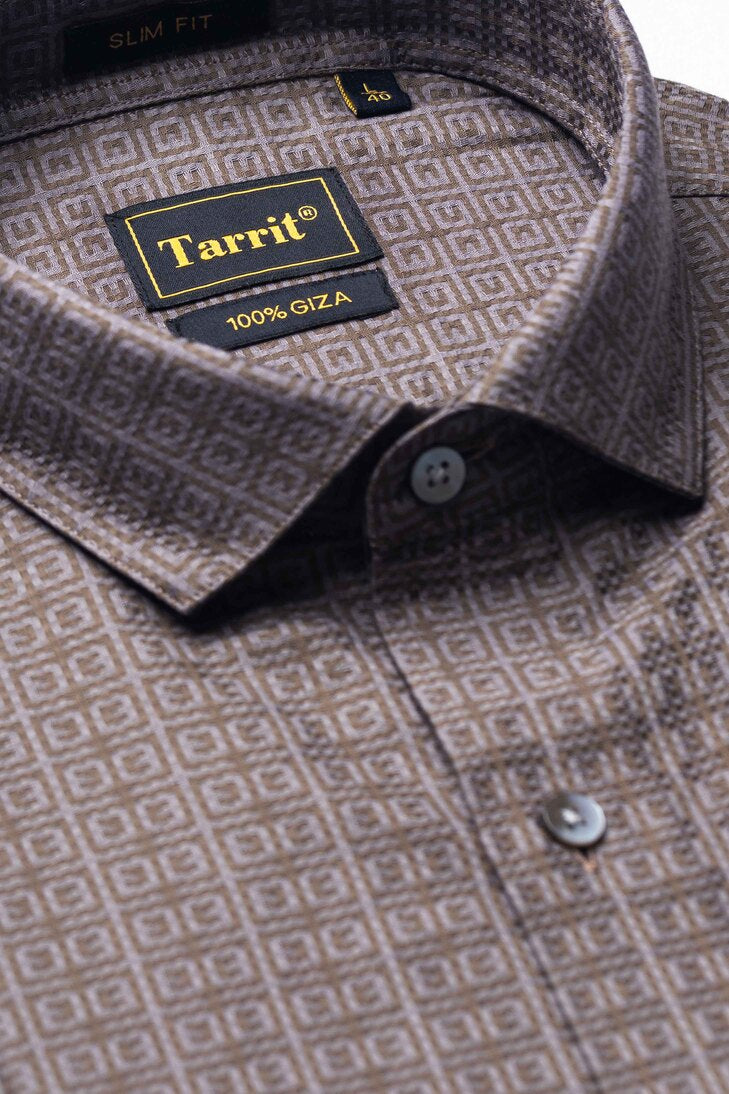
This is why daily-driver solids are where the premium makes the most sense. Shirts like The Founder in pearl grey, The Meridian, The Covenant and The Visionary at ₹2,999 are the ones that get worn hardest and reward the upgrade most — the shirts you'll have on your back a hundred times a year, not once.
People Also Ask
Is Egyptian cotton really better than normal cotton?
Yes, meaningfully. Its extra-long fibres make it softer, stronger, more breathable, and better at holding shape and colour than the short-staple cotton in most everyday shirts.
Does an Egyptian cotton shirt last longer?
Generally, yes. Stronger, longer fibres resist thinning, pilling, and shape loss, so a well-cared-for Egyptian cotton shirt typically outlasts a cheaper cotton one by years.
When is Egyptian cotton not worth the money?
For a shirt you'll wear only occasionally, the premium is harder to justify — you won't wear it enough for the durability and cost-per-wear benefits to pay off.
Is Egyptian cotton worth it for everyday office shirts?
Often, yes. Office shirts are worn and washed constantly, so softness, breathability, and durability get used every day — exactly where the extra earns its place.
Everyday Cotton vs Egyptian Cotton, Over Time
| Over time | Egyptian Cotton | Everyday Cotton |
|---|---|---|
| Upfront price | Higher | Lower |
| Lifespan with regular wear | Several years, holds up | Often fades within a year |
| Feel & breathability | Soft, breathable, stays that way | Can turn stiff or scratchy |
| Cost-per-wear | Low if worn often | Higher than it looks |
Where Men Go Wrong Judging the Price
The biggest mistake is comparing shirts on shelf price alone. A shirt at half the cost isn't cheaper if it lasts a quarter as long — the real number is what it costs per wear over its life, and cheap shirts usually lose that maths quietly. Judge the spend against how long the shirt will serve you, not the tag in the moment.
The second mistake is buying the premium shirt for the wrong role — spending on something you'll wear twice a year while your daily shirts stay cheap and wear out. Flip it: put the money where the wear is. And the third is ignoring care. A quality Egyptian cotton shirt only delivers its lifespan if it's washed gently and hung properly; treat it well and it easily justifies the cost, neglect it and you waste it.
What We Tell Customers Weighing the Cost
When a customer hesitates on price, we don't push — we ask how often they'll wear it. In our experience, that one question answers the whole thing. For a shirt going into weekly rotation, we'll happily say the Egyptian cotton is the better buy, because we've seen those shirts come back looking good years later. For a one-off, we're just as happy to say save your money. Being honest about when it's not worth it is what makes the recommendation trustworthy when it is. Written by the Tarrit styling team.
A Real Two-Year Comparison
Picture two men buying shirts on the same day. One buys three cheap cotton shirts; within a year they've thinned, faded, and lost their collars, and he's back buying more. The other buys two Egyptian cotton shirts; two years on, they still feel soft, hold colour, and look presentable, and he hasn't replaced a thing. Add up the spend and the second man has often paid less overall — for shirts he actually enjoyed wearing the whole time. Customers most often tell us this is the part they didn't expect: the better shirt turned out to be the cheaper habit.
The Detail Most People Overlook
Everyone weighs the price of the fabric and forgets the cost of replacing shirts. The real expense of cheap cotton isn't the first purchase — it's the second, third, and fourth, plus the time spent shopping again. A shirt that lasts removes that recurring cost entirely. When you're deciding whether a premium shirt is worth it, factor in the shirts you won't have to buy because of it. That's the line most price comparisons leave out.
The Tarrit Shirts That Justify the Upgrade
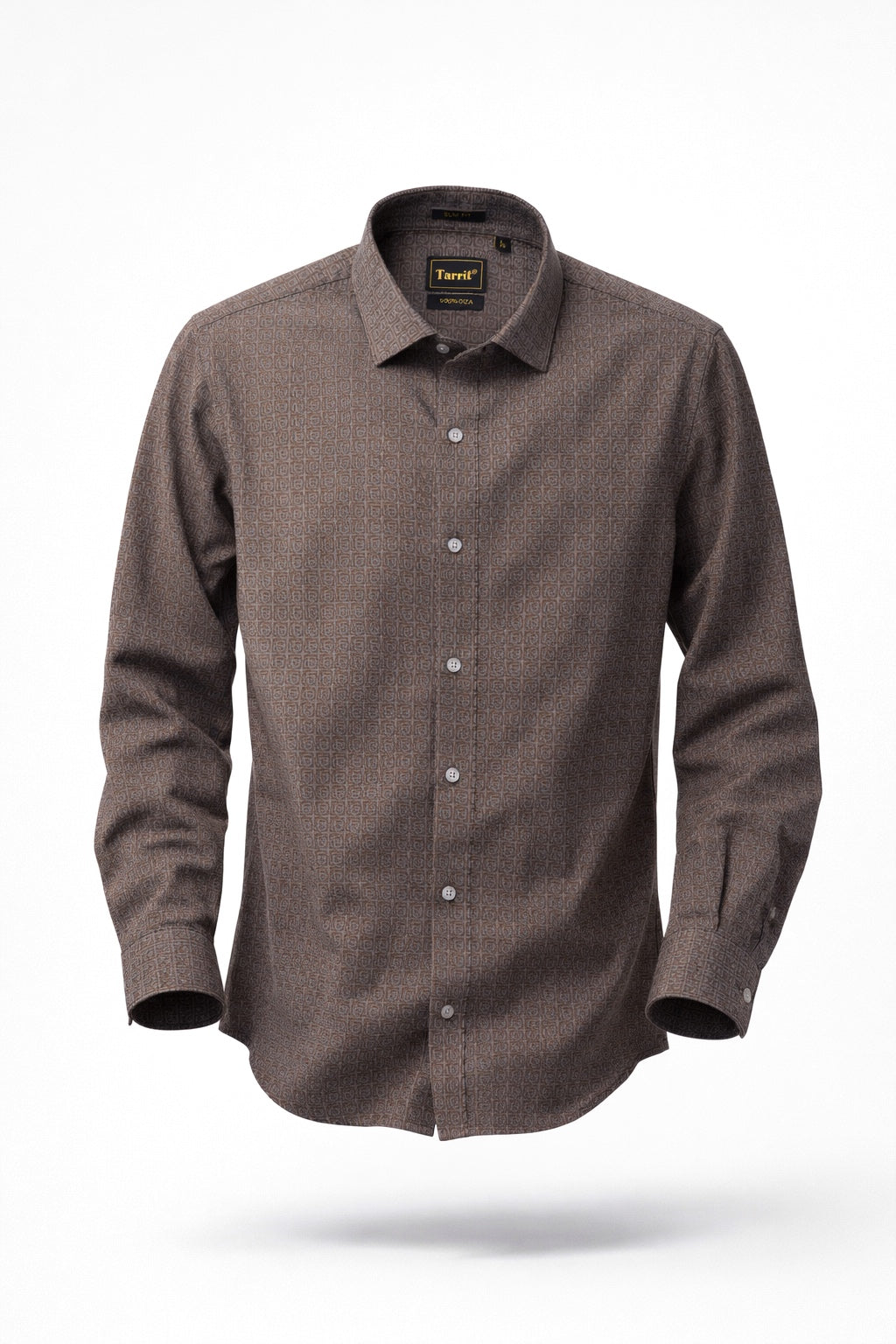
If you're going to spend a little more, spend it on the shirts you'll wear the most. The Founder in pearl grey and The Purist White are the everyday workhorses that reward the upgrade fastest — worn weekly, they earn their price quickly. For versatile daily rotation, The Meridian, The Covenant and The Visionary at ₹2,999 give you genuine Egyptian cotton at the accessible end of the range. Browse the full Tarrit Egyptian Cotton collection and put the money where your wear is.
Frequently Asked Questions
Is Egyptian cotton worth paying extra for?
For shirts you wear regularly, yes. The added durability, softness, and shape retention lower the cost-per-wear over time, so the premium usually pays for itself. For rarely-worn shirts, it matters less.
Does Egyptian cotton save money in the long run?
It can. A shirt that lasts several years and stays presentable often works out cheaper per wear than a budget shirt replaced every year.
Is Egyptian cotton worth it for casual shirts?
If they're casual shirts you'll wear often, yes — everyday wear is exactly where the comfort and durability get used most.
How long does an Egyptian cotton shirt last?
With gentle washing and proper hanging, a quality Egyptian cotton shirt commonly stays in good shape for several years of regular wear — well beyond a typical cheap cotton shirt.
Is expensive cotton always better?
Not automatically — price alone doesn't guarantee quality. What matters is a genuine long-staple fibre like Egyptian cotton and good construction, which is where the real value sits.
The Short Version
Is Egyptian cotton worth paying extra for? For a shirt you'll actually wear, yes — the value lives in durability and cost-per-wear, not the price tag. A genuine long-staple cotton stays soft, breathes, holds its shape and colour, and lasts for years, so a shirt worn weekly often costs less per wear than a cheap one you keep replacing. Put the premium on your daily shirts, care for them properly, and the maths quietly works in your favour.
See what the extra actually buys in the Tarrit Egyptian Cotton collection — shirts built to be worn hard and kept for years, from ₹2,999.