How Do You Coordinate Wedding Shirts for the Groom, Groomsmen & Family? | Tarrit
News
Standing together is one of the best parts of a wedding — and dressing in harmony is how it shows. But how do you coordinate wedding shirts for groomsmen, brothers and family without everyone looking like a uniform? The answer is alignment, not matching: shared tones and textures with thoughtful variation, and the groom set one clear step apart. At Tarrit, it's exactly how we guide wedding parties.
Done well, coordination makes photographs look intentional and the whole party feel connected. Done wrong, it's either a mismatched crowd or a row of identical shirts. The sweet spot for matching shirts for groom and groomsmen is a shared direction that still respects each person's build, colouring and role.
This guide covers how to build a coordinated look, how to make the groom stand out within it, and how to handle different body types and family members — so the whole party looks aligned without looking uniform.
How do you coordinate wedding shirts for the groom, groomsmen and family? Pick a shared colour palette and fabric direction, then vary the details — let groomsmen share one tone while the groom wears a distinct but complementary shade. Aim for harmony, not identical shirts: similar textures, aligned colours, and thoughtful variation that respects each person's build and role.
Harmony, Not Uniformity: The Core Idea
The biggest mistake in wedding party outfit coordination for men is thinking coordination means identical. It doesn't. The goal is a shared visual language — similar tones, related fabrics, a consistent level of formality — with enough variation that each person looks like himself. Matching shirts can look like a team kit; aligned shirts look like a considered wedding party. Harmony over uniformity is the principle every good coordinated look is built on.
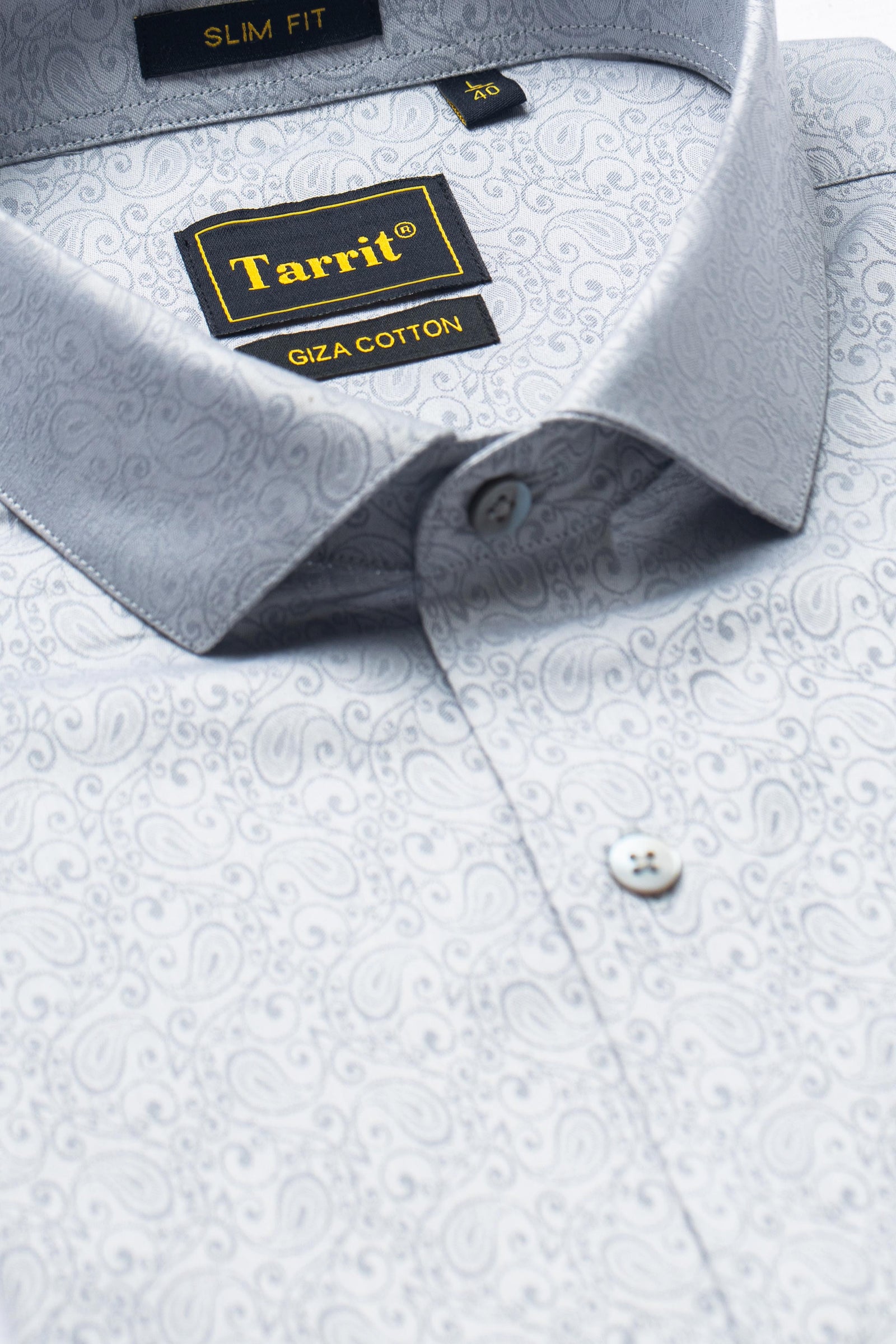
How to Coordinate the Wedding Party's Shirts
Here's a simple method for groomsmen shirt colour coordination that works for any size party.
1. Start With a Shared Palette
Choose two or three colours that work together for the ceremony and setting. This palette anchors everyone, so even varied shirts clearly belong together.
2. Set the Groom Apart
Give the groom a distinct but complementary shade — often a shade lighter, richer or crisper than the party — so he's the clear focal point without breaking the palette.
3. Align the Fabric and Formality
Keep everyone in a similar fabric and level of formality — all premium cotton, all similarly dressy — so the party reads as one, even in different colours.
4. Vary the Details
Let individual shirts differ in subtle ways — a texture here, a slightly different tone there — so no one looks boxed into a uniform.
5. Respect Each Body Type
Adjust fit for each person rather than forcing one cut on everyone. A coordinated look only works if every shirt actually fits.
Group Colour-Scheme Ideas
| Palette | Groom | Groomsmen & Family |
|---|---|---|
| Classic neutrals | Crisp white | Ivory & soft grey |
| Cool tones | Pale blue | Sky blue & slate |
| Warm daytime | Ivory | Blush & sand |
| Evening formal | Deep navy | Charcoal & midnight blue |
| Earthy / outdoor | Sage | Olive & stone |
Coordinating Across Roles and Generations
- The groom — one clear step apart: crisper, lighter, or richer than the rest.
- Groomsmen — a shared tone and fabric, with small individual variation.
- Brothers — aligned with the party but slightly distinct if they have a special role.
- Father & elders — the same palette in more classic, understated shades.
- Different body types — same direction, fit adjusted individually so everyone looks their best.
How to Manage a Group Order Smoothly
Decide the palette first: lock the shared colours and fabric before anyone picks a shirt, so every choice fits the scheme — the foundation of how to coordinate without matching.
Handle fit individually: a group appointment lets each person's size and build be handled carefully, with made to measure where a precise fit or consistency across body types is needed.
Keep it calm: coordinate roles and timelines early, and treat it as one shared decision rather than many separate ones, so the whole party is aligned well before the day.
Wedding Party Coordination Quick Guide
| Element | How to Handle It |
|---|---|
| Palette | 2–3 shared colours for the whole party |
| Groom | Distinct but complementary shade |
| Fabric | Consistent across everyone (e.g. premium cotton) |
| Variation | Subtle differences in tone or texture |
| Fit | Adjusted individually per body type |
Conclusion
Coordinating wedding shirts for the groom, groomsmen and family comes down to one idea: harmony, not uniformity. Choose a shared palette and fabric, set the groom a clear step apart, and vary the details so everyone looks aligned yet individual. That's what makes a wedding party look considered rather than costumed.
Handle the palette as one shared decision and the fit person by person, and the whole party comes together effortlessly. A guided Tarrit group appointment makes exactly that possible — coordinated wedding shirts that respect every body type, role and preference.
Frequently Asked Questions
How do you coordinate wedding shirts for the groom and groomsmen?
Choose a shared colour palette and fabric, give the groom a distinct but complementary shade, and vary the details so the party looks aligned without wearing identical shirts.
Should the groom and groomsmen wear matching shirts?
Aligned is better than identical. Groomsmen can share a tone and fabric while the groom wears a distinct complementary shade, so he stands out without breaking the harmony.
How should groomsmen dress at an Indian wedding?
In a shared palette and premium fabric matched to the ceremony, with fit adjusted individually — coordinated with the groom but a clear step below him in prominence.
How do you coordinate a wedding party without matching?
Anchor everyone with two or three shared colours and one fabric direction, then allow subtle variation in tone and texture so each person looks individual within the scheme.
How do you coordinate shirts across different body types?
Keep the palette and fabric shared but adjust the fit for each person — using made to measure where needed — so every shirt flatters while still looking coordinated.