How Do You Prevent Cotton Shirts From Smelling Musty in Humid Weather?
News
If you're trying to figure out how to prevent musty smell cotton shirts develop during monsoon, the cause is almost always the same: bacteria growing in fabric that stayed damp too long, not the cotton itself. Humidity odour prevention comes down to a handful of specific habits around drying, storage, and washing — get those right, and musty smell stops being a monsoon inevitability.
This guide covers exactly how to remove musty smell from clothes that already have it, and more importantly, how to stop it from developing in the first place through the wettest months of the year.
To prevent musty smell in cotton shirts during humid weather, make sure shirts are completely dry before storing, use moisture-absorbing packets in the wardrobe, wash promptly after wear, and ensure good airflow between hanging garments. Damp smell in wardrobe spaces is caused by trapped moisture, not the fabric — fixing airflow and drying habits solves it at the source.
Shop the range: [100% Cotton Collection]
Key Takeaways
- A cotton shirt smells bad after washing almost always because it didn't dry fully before being worn or stored again.
- Damp smell in wardrobe spaces builds up gradually — it's a storage and airflow issue, not a one-time laundry mistake.
- How to keep clothes smelling fresh in monsoon comes down to three habits: full drying, airflow, and moisture control in storage.
- Natural remedies for musty smelling clothes exist and work well as a first response before reaching for anything harsher.
- Preventing the smell is far easier than removing it once it's set into the fabric.
Why Cotton Shirts Develop a Musty Smell in the First Place
Musty smell is caused by bacterial and mild fungal growth that thrives in warm, damp conditions — exactly what a humid wardrobe or a shirt stored slightly damp provides. Cotton's natural absorbency, the same quality that makes it comfortable to wear, also means it holds onto moisture a little longer than synthetic fabrics if it isn't dried properly. The smell isn't a flaw in the fabric; it's a sign that moisture sat somewhere it shouldn't have for too long.
Why This Becomes a Bigger Problem During Monsoon
Outside of the rainy months, clothes dry quickly in the sun and rarely sit in a humid environment long enough for odour to develop. During monsoon, indoor drying becomes the norm, ambient humidity stays high for weeks at a stretch, and wardrobes themselves can trap that humidity if they're not managed. That combination is exactly why damp smell in wardrobe spaces becomes a recurring monsoon complaint rather than an occasional one.
How to Remove Musty Smell From Clothes That Already Have It
If a shirt has already picked up a musty smell, a few natural remedies for musty smelling clothes work well before resorting to anything more aggressive:
- Re-wash with an extra rinse cycle, adding half a cup of white vinegar to the wash to neutralise odour-causing bacteria.
- Sun-dry if possible — direct sunlight is naturally antibacterial and highly effective against musty smell.
- If sun-drying isn't possible, dry indoors with maximum airflow and a slightly longer drying time than usual.
- For a stubborn smell, a baking soda soak before washing can help lift trapped odour from the fibres.
People Also Ask
Why does my cotton shirt smell bad after washing?
Almost always because it didn't dry completely before being worn or stored — leftover moisture allows odour-causing bacteria to develop even after a clean wash.
How do I stop my wardrobe from smelling damp?
Use moisture-absorbing packets or a small dehumidifier, avoid overcrowding hangers, and only store fully dry garments.
Are there natural remedies for musty smelling clothes?
Yes — white vinegar added to a wash cycle, sun-drying when possible, and baking soda soaks are all effective, chemical-free options.
Why do clothes smell musty in humid weather specifically?
High ambient humidity slows drying and creates the warm, damp conditions that odour-causing bacteria need to grow, even in a wardrobe that isn't visibly wet.
Step-by-Step: Preventing Musty Smell All Monsoon
- Never store a shirt that isn't completely dry. This is the single most common cause of musty smell.
- Wash shirts promptly after wear. Don't let sweat or rain-dampened fabric sit before washing.
- Dry with maximum airflow. A fan or open window matters more than time alone.
- Use moisture-absorbing packets in the wardrobe. Silica gel or charcoal packets both work well.
- Avoid overcrowding hangers. Airflow between garments prevents trapped humidity from building up.
- Air out the wardrobe itself on drier days. Open the doors and let the space breathe when humidity briefly drops.
What Causes Musty Smell vs What Prevents It
| Cause | Prevention |
|---|---|
| Storing a slightly damp shirt | Confirm full dryness before hanging or folding |
| Overcrowded, airless wardrobe | Space out hangers, allow airflow between garments |
| Delayed washing after heavy wear | Wash promptly rather than letting fabric sit |
| High ambient humidity in storage area | Use moisture-absorbing packets or a dehumidifier |
| Slow indoor drying with no air movement | Dry near a fan or open window, spread out fully |
Why Prevention Works Better Than Cure
1. Odour Is Easier to Stop Than to Remove
Once musty smell sets into fabric fibres, it often takes multiple wash cycles to fully eliminate — prevention avoids that extra effort entirely.
2. Good Habits Protect the Whole Wardrobe
Airflow and moisture control in storage don't just help one shirt — they prevent the problem across every garment sharing that space.
3. It Extends Fabric Life
Repeated bacterial growth and the washing needed to remove it puts extra wear on fabric over a full monsoon season, so prevention also protects shirt longevity.
Common Mistakes That Cause Musty Smell
- Assuming a shirt is dry because the surface feels dry, without checking seams and collar areas that hold moisture longer.
- Leaving washed clothes in the machine for hours before hanging them to dry.
- Packing a wardrobe too tightly, leaving no room for air to circulate between garments.
- Wearing a shirt again before it's fully aired out from the previous wear.
What Our Styling Team Recommends
Written by the Tarrit Style Desk.
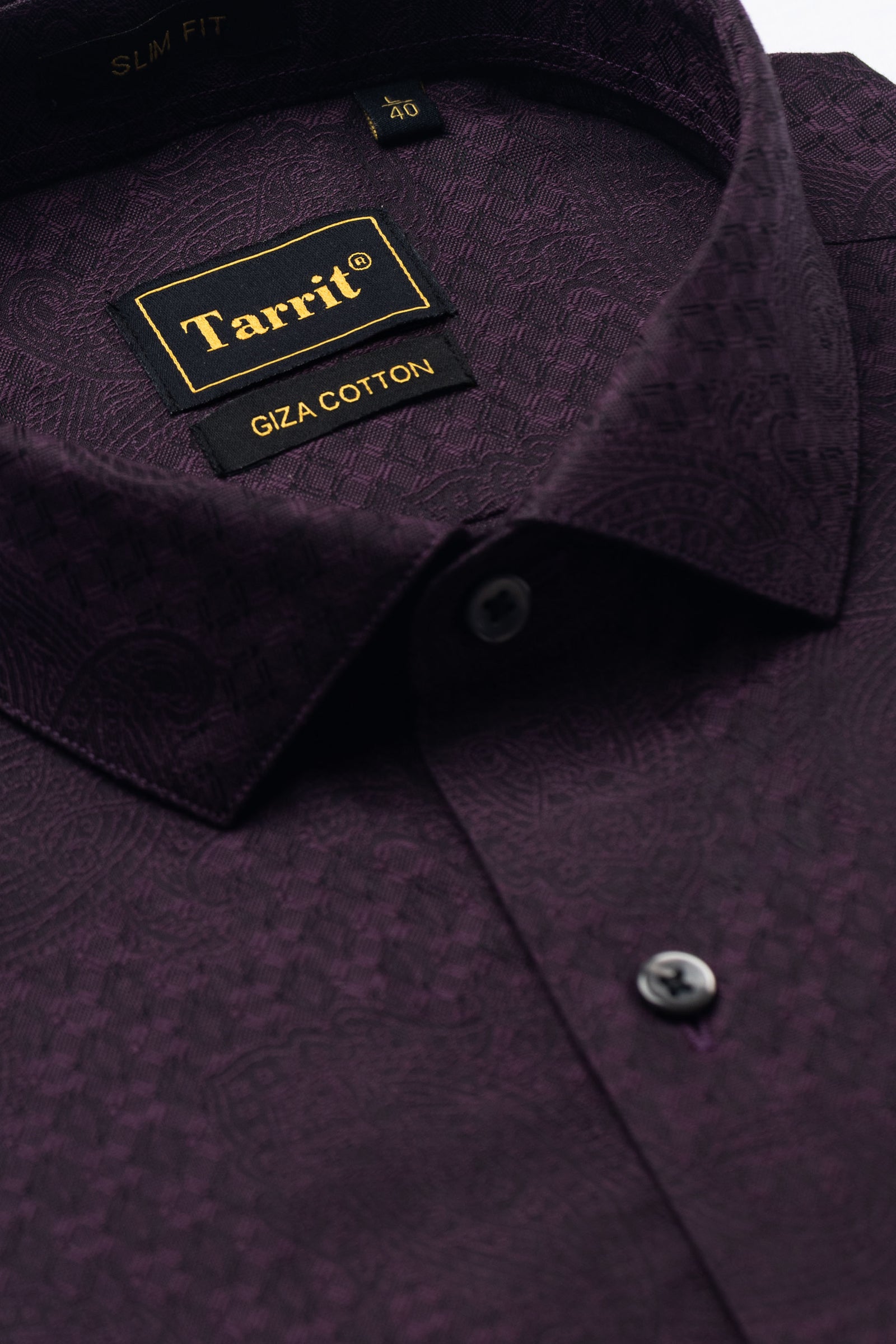
In our experience, the customers who struggle most with musty smell during monsoon are almost always dealing with a storage issue, not a laundry issue — the shirts are being washed properly but stored before they're fully dry. We've found that adding moisture-absorbing packets to a wardrobe makes a noticeable difference within days, even without changing anything else about the washing routine. Every shirt in Tarrit's 100% Cotton collection is woven for genuine breathability, which helps it dry faster and resist trapped moisture better than denser weaves.
How This Plays Out in Real Households
Customers most often ask us why a freshly washed shirt still smells musty the next time they wear it. In our experience, this almost always traces back to the shirt being stored slightly damp or hung too close to other garments in a humid wardrobe — moving to a spot with better airflow typically resolves it within one wash cycle.
What Most Men Get Wrong About Musty Smell
The common assumption is that musty smell means a shirt needs replacing or a stronger detergent. In practice, it's almost always a drying and storage issue that has nothing to do with fabric quality — fixing airflow and moisture habits resolves it far more reliably than switching products.
FAQ
What's the fastest way to remove musty smell from a shirt?
Re-wash with a splash of white vinegar added to the cycle, then dry with maximum airflow or in direct sunlight if possible.
Can I prevent musty smell without buying a dehumidifier?
Yes — moisture-absorbing packets, better airflow between hangers, and prompt drying handle most cases without needing extra equipment.
Does musty smell mean my shirt is damaged?
No. It's almost always a moisture and storage issue that can be fully resolved with proper drying and airflow, not a sign of fabric damage.
How often should I air out my wardrobe during monsoon?
Whenever humidity briefly drops — opening the doors for even an hour on a drier day helps prevent trapped moisture from building up over weeks.
Conclusion
Learning to prevent musty smell cotton shirts develop during humid weather really comes down to three habits: dry completely before storing, keep airflow moving through the wardrobe, and wash promptly rather than letting damp fabric sit. Get those right, and musty smell stops being a monsoon inevitability.